
Year 11 Web Development develops students into confident front-end web creators who understand how websites are planned, built, styled, tested, and evaluated. Students create responsive, accessible websites using HTML, CSS, and introductory JavaScript, while applying design principles, ethics, and exam/project documentation skills.Course ObjectivesBy the end of Year 11, students will be able to:Build structured, standards-compliant
Year 11 Coding focuses on mastery of programming fundamentals, structured problem-solving, and confident exam performance. Students move beyond syntax to writing clear, efficient, and well-tested programs, while learning how to explain, trace, and debug code under exam conditions.Course ObjectivesBy the end of Year 11, students will be able to:Design algorithms to solve real problemsWrite structured
Year 11 Handwriting & Penmanship focuses on clear, fast, and fatigue-free writing under exam conditions. The course refines letter formation, spacing, consistency, and writing stamina, ensuring students can express ideas clearly and legibly within time limits.Course ObjectivesBy the end of Year 11, students will be able to:Write clearly and legibly at exam speedMaintain consistent letter
Year 11 Faith & Values Mentorship supports students during a high-pressure, formative year, helping them develop strong moral foundations, emotional resilience, personal responsibility, and purpose-driven decision-making. The course integrates faith principles with real-life ethical challenges, leadership development, and preparation for life beyond school.Course ObjectivesBy the end of Year 11, students will be able to:Articulate a
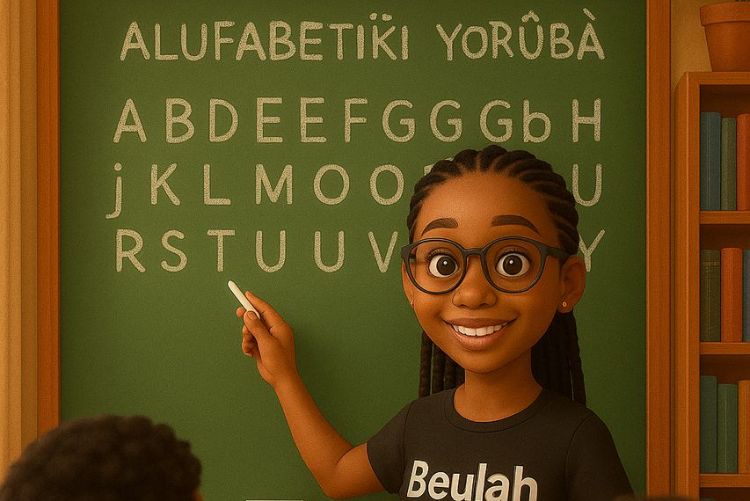
Yorùbá Language & Culture ClassReconnecting hearts to heritage. At Beulah eSchool, our Yorùbá classes go beyond words, we bring culture, identity, and pride to life. Learners discover the beauty of Yorùbá through engaging lessons, songs, stories, and expressions that celebrate who we are. Whether you’re learning from the diaspora or deepening your roots, our classes make

The Coding course in Year 8 combines advanced Scratch programming with an introduction to text-based coding, including Python and HTML logic. Pupils consolidate their understanding of algorithms, variables, loops, and conditionals in Scratch, while beginning to explore syntax, logic structures, and simple programs in text-based languages. The course develops computational thinking, creativity, problem-solving, and digital
The Coding / Programming course in Year 9 develops pupils’ ability to design, write, test, and debug structured programs using text-based programming languages. Pupils build strong computational thinking skills while learning how code is used to solve real-world problems. The course emphasises logic, accuracy, and problem-solving, preparing learners for GCSE Computer Science and further study
The Coding and Programming course in Year 7 develops pupils’ ability to design, write, debug, and evaluate programs using structured coding techniques. Pupils explore algorithms, control structures, and variables in age-appropriate programming environments. The course fosters logical thinking, creativity, problem-solving, and safe, responsible use of technology.Key Focus AreasIntroduction to programming concepts: variables, loops, and conditionalsWriting
The Faith and Values Mentorship course in Year 3 supports pupils in developing strong moral character, spiritual awareness, and responsible decision-making. Through faith-based teachings, stories, discussions, and reflective activities, pupils explore core values and learn how these values shape their actions, relationships, and responsibilities within school, family, and the wider community.Key Focus AreasExploring faith-based teachings
Year 11 Computing consolidates theoretical knowledge and sharpens programming, computational thinking, and exam technique. Students prepare for their final GCSE assessments by mastering core concepts, refining coding skills, and practising exam-style questions.Course ObjectivesBy the end of Year 11, students will be able to:Explain how computer systems work internallyApply computational thinking to solve problemsWrite, test, and
Year 11 Science focuses on deep consolidation of key scientific concepts, practical application, and exam technique. Students refine their understanding of Biology, Chemistry, and Physics topics, strengthen mathematical and analytical skills, and prepare thoroughly for GCSE examinations through targeted revision and exam practice.Course ObjectivesBy the end of Year 11, students will be able to:Apply scientific
Year 11 Mathematics consolidates all prior learning and focuses on fluency, reasoning, and problem solving. Students refine core mathematical skills, tackle multi-step problems, and develop exam strategies needed to succeed in GCSE Mathematics (Foundation or Higher tiers).Course ObjectivesBy the end of Year 11, students will be able to:Apply mathematical methods accurately and efficientlySolve unfamiliar problems
Year 11 English Language focuses on exam mastery, advanced reading and writing skills, and confident spoken communication. Students refine analytical techniques, develop clear and persuasive writing styles, and prepare intensively for GCSE Papers 1 & 2 and the Spoken Language endorsement.Course ObjectivesBy the end of Year 11, students will be able to:Analyse unseen fiction and
The Year 10 Faith and Values Mentorship course encourages pupils to explore moral, ethical, and spiritual principles in depth. Through discussion, reflection, and mentorship, pupils examine contemporary issues, personal responsibility, and community engagement. The course promotes self-awareness, empathy, resilience, and leadership skills, preparing learners for responsible decision-making both inside and outside school.Key Content AreasPersonal DevelopmentSelf-awareness
This course is designed to refine pupils’ handwriting for speed, legibility, consistency, and endurance required in GCSE examinations. Pupils develop an efficient personal handwriting style that is neat, fluent, and examiner-friendly, while also improving written presentation across all subjects.Core Focus Areas1. Handwriting Fluency & SpeedWriting efficiently under timed conditionsIncreasing writing stamina for extended answersDeveloping rhythm,
The Year 10 Web Development course teaches pupils to design, develop, and maintain functional, responsive websites using modern web technologies. Pupils learn to apply HTML, CSS, and introductory JavaScript to solve real-world problems while understanding web design principles, accessibility, and security. The course prepares learners for GCSE Computer Science or ICT and introduces skills required
The Year 10 Coding course develops pupils’ ability to design, write, test, and evaluate programs using Python. Pupils apply computational thinking and problem-solving skills to solve real-world problems while learning good programming practices. The course prepares learners for GCSE Computer Science programming assessments, emphasizing logic, efficiency, and code readability.Key Content AreasPython Programming FundamentalsSyntax and code
The Year 10 Computer Science course develops pupils’ computational thinking, programming skills, and understanding of computer systems. Pupils learn to design, implement, test, and evaluate solutions to real-world problems using text-based programming, while exploring theory topics such as algorithms, data representation, networks, and cybersecurity. The course prepares learners for GCSE Computer Science (9–1) examinations.Key Content
Year 10 Science builds core scientific knowledge, practical skills, and exam literacy. Students develop conceptual understanding, apply scientific methods, interpret data, and use correct terminology. The year lays the foundation for GCSE assessments in Year 11.Course ObjectivesBy the end of Year 10, students should be able to:Understand and explain key biological, chemical, and physical conceptsApply
The Year 10 Mathematics course develops pupils’ fluency, reasoning, and problem-solving skills across all key areas of the GCSE syllabus. Pupils consolidate prior learning and tackle increasingly complex topics, applying mathematical knowledge to both abstract and real-world problems. The course prepares learners for GCSE examinations in Mathematics and supports progression into STEM subjects.Key Content AreasNumberFractions,
The Year 10 English Literature course introduces pupils to a range of challenging texts from different periods, genres, and cultures. Pupils study novels, plays, and poetry, developing the skills to analyse language, structure, form, and thematic content in depth. The course focuses on independent interpretation, critical evaluation, and written and spoken communication, preparing learners for
The Year 10 English Language course develops pupils’ reading, writing, and communication skills to GCSE standard. Pupils study a range of fiction, non-fiction, and media texts, learning to analyse language, structure, and authorial intent while developing clear, accurate, and persuasive written expression. The course emphasises independent thinking, textual analysis, and exam technique, preparing learners for
The Faith and Values Mentorship course in Year 9 supports pupils in developing a strong moral compass, personal integrity, and a sense of purpose. Through guided discussion, reflection, and mentorship, pupils explore faith-based principles, ethical decision-making, and character development in real-life contexts. The course encourages critical thinking, empathy, resilience, and responsible leadership, helping learners navigate
The Handwriting and Writing Fluency course in Year 9 focuses on refining pupils’ handwriting, written communication, and overall writing efficiency. Pupils develop legibility, speed, accuracy, and confidence in extended writing tasks. The course supports exam readiness by helping learners write clearly under timed conditions while maintaining high standards of presentation and structure across all subjects.Key
The Web Development course in Year 9 introduces pupils to the principles and practices of creating functional, well-designed websites using modern web technologies. Pupils learn how websites are structured, styled, and made interactive while developing problem-solving, creativity, and digital literacy skills. The course emphasises best practices in design, accessibility, and online safety, providing a strong
The Computing / ICT course in Year 9 develops pupils’ confidence, competence, and independence in using digital technologies. Pupils strengthen computational thinking, advance their programming skills, and apply ICT tools to solve real-world problems. The course emphasises digital creativity, data handling, and responsible technology use, providing a strong foundation for GCSE Computing, ICT, and future
The Year 9 Science course deepens pupils’ understanding of key concepts in Biology, Chemistry, and Physics while strengthening scientific enquiry, practical skills, and analytical thinking. Pupils explore how scientific ideas develop, apply scientific knowledge to real-world contexts, and begin to work with greater independence and precision. The course provides a solid bridge between Key Stage
The Mathematics course in Year 9 strengthens pupils’ mathematical fluency, reasoning, and problem-solving skills across number, algebra, geometry, statistics, and probability. Pupils apply mathematical concepts to increasingly complex problems, develop logical thinking, and communicate mathematical reasoning clearly. The course bridges Key Stage 3 and GCSE Mathematics, ensuring pupils are confident, resilient, and well-prepared for exam-style
The English Literature course in Year 9 deepens pupils’ appreciation of literary texts from different periods, cultures, and genres. Pupils study a range of novels, plays, poetry, and extracts, developing the ability to analyse language, structure, and form while exploring themes, characters, and contextual influences. The course encourages critical interpretation, independent thinking, and articulate written
The English Language course in Year 9 refines pupils’ ability to read, analyse, and communicate with clarity, accuracy, and sophistication. Pupils engage with a wide range of fiction, non-fiction, and media texts, developing advanced vocabulary, grammatical control, and structured writing skills. The course emphasises critical thinking, purposeful communication, and independent expression, preparing learners for GCSE
The Faith and Values Mentorship course in Year 8 encourages pupils to explore their personal beliefs, values, and ethical reasoning in greater depth. Pupils develop empathy, moral judgement, and social responsibility, applying their understanding to real-life scenarios and school life. The course promotes character development, self-reflection, leadership, and principled decision-making, preparing learners to navigate the
The Handwriting and Writing Fluency course in Year 8 helps pupils refine legibility, speed, and style in their writing while improving overall written communication. Pupils practise structured, clear, and coherent writing across extended texts, ensuring their work is accurate and presentable in all subjects. The course encourages independence, self-editing, and confidence in written expression.Key Focus
The Web Development course in Year 8 develops pupils’ ability to design, build, and maintain functional and visually appealing websites. Pupils build on prior coding knowledge (Scratch and introductory text-based coding) to structure web pages, apply styling, and create basic interactivity using HTML, CSS, and logical scripting. The course emphasizes creativity, user experience, problem-solving, and
The Computing / ICT course in Year 8 develops pupils’ ability to use technology effectively, safely, and creatively. Pupils enhance digital literacy, explore more advanced programming and computational thinking, and apply ICT skills across a range of subjects. The course encourages problem-solving, project-based learning, and responsible online behaviour, preparing learners for more complex digital tasks
The Year 8 Science course deepens pupils’ understanding of Biology, Chemistry, and Physics, fostering curiosity, analytical thinking, and practical skills. Pupils explore more complex concepts, perform experiments safely, and apply scientific reasoning to investigate the natural and physical world. The course prepares learners for advanced scientific study and GCSE preparation, developing knowledge, enquiry skills, and
The Mathematics course in Year 8 consolidates prior knowledge while introducing more complex concepts in number, algebra, geometry, and data handling. Pupils develop logical reasoning, problem-solving strategies, and mathematical fluency, enabling them to approach increasingly challenging problems with confidence. The course encourages practical application of mathematics in real-life contexts and prepares learners for higher-level secondary
The Faith and Values Mentorship course in Year 7 helps pupils explore moral, spiritual, and ethical issues in greater depth. Pupils reflect on personal beliefs, values, and decision-making, learning to apply these in daily life, school, and the wider community. The course encourages empathy, leadership, responsibility, and ethical reasoning, supporting the development of well-rounded, principled
The Handwriting and Writing Fluency course in Year 7 develops pupils’ ability to write clearly, legibly, and efficiently across extended texts. Pupils refine their handwriting style, improve speed without sacrificing quality, and focus on coherent, well-structured written communication. The course supports independence, accuracy, and confidence in written work across all subjects, preparing pupils for the
The Web Development course in Year 7 introduces pupils to the design, creation, and management of websites. Pupils learn to structure web pages, apply styling, and create user-friendly navigation, while developing logical thinking, creativity, and responsible online practices. The course encourages experimentation, problem-solving, and project-based learning to prepare pupils for advanced computing in later years.Key
The Computing / ICT course in Year 7 introduces pupils to essential digital skills, computational thinking, and responsible use of technology. Pupils learn how computers work, how to use digital tools effectively, and how to stay safe online. The course balances practical skills with problem-solving and creativity, preparing learners for advanced computing, coding, and digital
The English Literature course in Year 7 introduces pupils to a wide range of literary texts that develop imagination, critical thinking, and a lifelong appreciation for reading. Pupils explore novels, short stories, poetry, and drama from different cultures and time periods, learning to analyse characters, themes, language, and structure. The course encourages thoughtful discussion, personal
The English Literature course in Year 8 introduces pupils to more challenging and diverse texts, including novels, poetry, short stories, and plays from different time periods and cultures. Pupils develop analytical and interpretative skills, exploring themes, characterisation, language, and structure. The course fosters a deeper appreciation of literature, encouraging pupils to express personal responses and
The English Language course in Year 8 strengthens pupils’ ability to read, understand, and communicate effectively across a range of texts. Pupils refine grammar, vocabulary, and sentence structures while developing clarity, coherence, and style in their writing. The course encourages analytical thinking, creative expression, and effective communication, supporting academic achievement and independent learning.Key Focus AreasReading
The Year 7 Science course introduces pupils to the core disciplines of Biology, Chemistry, and Physics, helping them understand the natural and physical world through observation, investigation, and reasoning. Pupils develop foundational scientific knowledge alongside practical skills, critical thinking, and curiosity. The course emphasises scientific enquiry, safe experimentation, and the application of scientific ideas to
The Mathematics course in Year 7 strengthens pupils’ numerical fluency, problem-solving ability, and mathematical reasoning. Building on prior learning, pupils develop confidence in using numbers, algebraic thinking, geometry, and data handling to solve increasingly complex problems. The course emphasises logical thinking, accuracy, and the application of mathematics to real-life situations, preparing pupils for further study
The English Language course in Year 7 develops pupils’ ability to communicate clearly, confidently, and effectively in both spoken and written forms. Building on prior learning, pupils strengthen their reading comprehension, expand vocabulary, refine grammar and sentence structure, and develop structured writing skills. The course encourages critical thinking, creativity, and purposeful language use across a
The Faith and Values Mentorship course in Year 6 supports pupils in consolidating strong moral character, spiritual awareness, and ethical understanding. Pupils explore how faith and values guide choices, relationships, and leadership, while reflecting on personal responsibility and community impact. The course encourages empathy, integrity, resilience, and independent application of values in real-life situations, preparing
The Handwriting and Penmanship Skills course in Year 6 develops pupils’ ability to write fluently, neatly, and efficiently under sustained writing conditions. Pupils refine letter formation, joins, spacing, and alignment while maintaining high presentation standards. The course encourages pride in written work, supports clarity of communication, and ensures readiness for secondary school demands.Key Focus AreasConsistent
The Web Development course in Year 6 introduces pupils to more advanced concepts in website design and creation. Pupils learn to structure, style, and publish websites while understanding how design, functionality, and accessibility work together. The course encourages creativity, logical thinking, problem-solving, and responsible digital practices, preparing learners for secondary ICT and coding challenges.Key Focus
The Coding course in Year 6 builds pupils’ computational thinking and programming skills, enabling them to design, create, and debug interactive programs and simple applications. Pupils explore coding logic, algorithms, and problem-solving in age-appropriate programming environments. The course encourages creativity, resilience, collaboration, and safe, responsible use of technology.Key Focus AreasWriting algorithms to solve problems and
The Computer Literacy and Online Safety course in Year 6 equips pupils with the knowledge, skills, and judgement to use digital technologies safely, creatively, and responsibly. Pupils develop advanced ICT skills while exploring ethical, social, and security issues online. The course encourages independent research, digital problem-solving, and thoughtful engagement with technology, preparing pupils for secondary
The Science course in Year 6 deepens pupils’ scientific understanding through investigation, reasoning, and application. Pupils explore complex biological, chemical, and physical concepts while planning fair tests, analysing data, and drawing well-supported conclusions. The course develops accurate scientific language, critical thinking, and confidence in scientific inquiry, preparing learners for secondary-level science.Key Focus AreasLiving things and
The Mathematics course in Year 6 consolidates pupils’ mathematical knowledge while developing accuracy, confidence, and deep reasoning skills. Pupils apply advanced strategies to solve complex and multi-step problems, explain their thinking clearly, and make connections across mathematical concepts. The course prepares learners for secondary-level mathematics through mastery, independence, and real-world application.Key Focus AreasSecure understanding of
The Year 6 English Language curriculum strengthens pupils’ reading comprehension, writing sophistication, grammar accuracy, and spoken communication. Learners engage with increasingly complex texts, write for varied purposes and audiences, and develop precision in vocabulary, sentence structure, and organisation. The course prepares pupils for Key Stage 3 English and independent academic learning.Core Learning Areas1. Reading &
The Faith and Values Mentorship course in Year 5 supports pupils in developing strong moral character, spiritual awareness, and ethical understanding. Through faith-based teachings, guided discussions, reflective practices, and real-life applications, pupils explore how values influence choices, leadership, relationships, and service. The course encourages integrity, empathy, resilience, and personal accountability.Key Focus AreasDeepening understanding of faith
The Handwriting and Penmanship Skills course in Year 5 focuses on developing fluent, legible, and efficient handwriting suitable for longer and more demanding written tasks. Pupils refine letter formation, joins, spacing, and alignment while increasing writing speed and stamina. The course promotes pride in presentation and supports clear written communication across all subjects.Key Focus AreasFluent
[7:43 pm, 11/01/2026] Joshua🥷🏽: The Web Development Basics course in Year 5 introduces pupils to the principles of designing and building functional, well-structured websites. Pupils explore how web pages are created using simple code and digital tools, learning how content, layout, and navigation work together. The course promotes creativity, problem-solving, and responsible digital publishing.Key Focus
The Year 5 Coding course builds on Scratch skills while introducing pupils to computational logic and structured thinking. Pupils design more complex games and animations using Scratch, while learning how algorithms, conditions, variables, and logical reasoning work together to solve problems. The course develops confidence, creativity, and disciplined thinking in preparation for advanced coding in
The Computer Literacy and Online Safety course in Year 5 equips pupils with the skills, knowledge, and judgement needed to use digital technology effectively and responsibly. Pupils develop confidence in using digital tools for learning, communication, and creativity while gaining a deeper understanding of online safety, digital citizenship, and ethical technology use.Key Focus AreasAdvanced use
The Science course in Year 5 builds pupils’ scientific knowledge and inquiry skills through observation, investigation, and analysis. Pupils explore biological, chemical, and physical concepts while planning fair tests, recording results, and drawing evidence-based conclusions. The course encourages curiosity, precision, and responsible scientific thinking.Key Focus AreasLiving things and life cycles (plants and animals)Human biology: growth,
The Mathematics course in Year 5 develops pupils’ fluency, reasoning, and problem-solving skills across number, measurement, geometry, and data. Pupils deepen their understanding of mathematical concepts, apply efficient strategies, and explain their thinking using appropriate mathematical language. The course encourages logical reasoning, resilience, and confidence when tackling complex and multi-step problems.Key Focus AreasPlace value and
The English Language and Literacy course in Year 5 develops pupils’ ability to read widely, write effectively, and communicate ideas with increasing precision and confidence. Pupils engage with a broad range of texts, deepen comprehension and analytical skills, and produce well-structured written work for varied purposes and audiences. The course strengthens grammar, vocabulary, and spelling
The Faith and Values Mentorship course in Year 4 supports pupils in developing strong character, ethical understanding, and spiritual awareness. Through faith-based teachings, discussions, reflective activities, and real-life applications, pupils explore how values guide choices, relationships, leadership, and service. The course nurtures empathy, integrity, responsibility, and respect while encouraging personal reflection and growth.Key Focus AreasExploring
The Handwriting and Penmanship Improvement course in Year 4 strengthens pupils’ ability to write fluently, legibly, and confidently at an increased pace. Pupils refine letter formation, joins, spacing, and alignment while developing stamina for longer pieces of writing. The course promotes pride in presentation and supports clear written communication across the curriculum.Key Focus AreasConsistent and
The Web Development Basics course in Year 4 introduces pupils to how websites are designed, built, and used. Pupils learn the foundations of web structure and layout while creating simple, child-friendly web pages. The course encourages creativity, logical thinking, and responsible digital creation, helping pupils understand the role of websites in communication, learning, and everyday
The Year 4 Coding course introduces pupils to basic programming concepts using Scratch, a visual, block-based coding platform. Pupils learn to create interactive stories, games, and animations while developing computational thinking, logical reasoning, and problem-solving skills. The course emphasizes creativity, experimentation, and collaboration.
The Computer Literacy and Online Safety course in Year 4 equips pupils with the skills and knowledge needed to use digital technologies confidently, responsibly, and effectively. Pupils develop practical computer skills while learning how to stay safe online, protect personal information, and behave respectfully in digital spaces. The course promotes critical thinking, creativity, and responsible
The Science course in Year 3 develops pupils’ understanding of the natural and physical world through observation, investigation, and reasoning. Learners explore living things, materials, forces, and Earth phenomena while developing skills to ask questions, make predictions, conduct simple experiments, and record findings. The course fosters curiosity, critical thinking, and a love of discovery in
The Mathematics course in Year 4 develops pupils’ fluency, reasoning, and problem-solving skills across number, measurement, geometry, and data. Building on earlier learning, pupils deepen their understanding of calculations, fractions, and mathematical relationships, and apply these skills confidently in real-life and cross-curricular contexts. The course encourages logical thinking, perseverance, and accuracy.Key Focus AreasPlace value up
The English Language and Literacy course in Year 4 develops pupils’ ability to read, write, speak, and listen with increasing fluency, accuracy, and confidence. Pupils engage with a wider range of texts, deepen comprehension skills, and produce well-organised written work for different purposes and audiences. The course strengthens grammar, vocabulary, and spelling while encouraging critical
The Personal, Social, and Emotional Development (PSED) course in Reception supports children in understanding themselves, managing emotions, building positive relationships, and developing confidence and independence. Through play, discussion, routines, and guided interactions, children learn essential life skills that help them feel secure, valued, and ready to learn.Key Focus AreasDeveloping self-confidence and a positive sense of
The Physical Development course in Reception supports children in developing strength, coordination, balance, and control through active play and movement. Children learn to move confidently in different ways, use tools safely, and develop healthy habits that support their overall wellbeing. The course also strengthens fine motor skills needed for writing, self-care, and classroom activities.Key Focus
The Expressive Arts and Design course in Reception encourages children to explore creativity through art, music, movement, role play, and imaginative activities. Children are supported to express their ideas, thoughts, and feelings using a variety of materials and experiences. The course develops imagination, confidence, and appreciation for creative expression while supporting fine motor skills and
The Understanding the World course in Reception encourages children to explore and make sense of the world around them. Through hands-on activities, observation, and guided discussion, children learn about people, communities, nature, technology, and the environment. The course nurtures curiosity, questioning, and early scientific and social thinking.Key Focus AreasExploring people, families, and communitiesUnderstanding similarities and
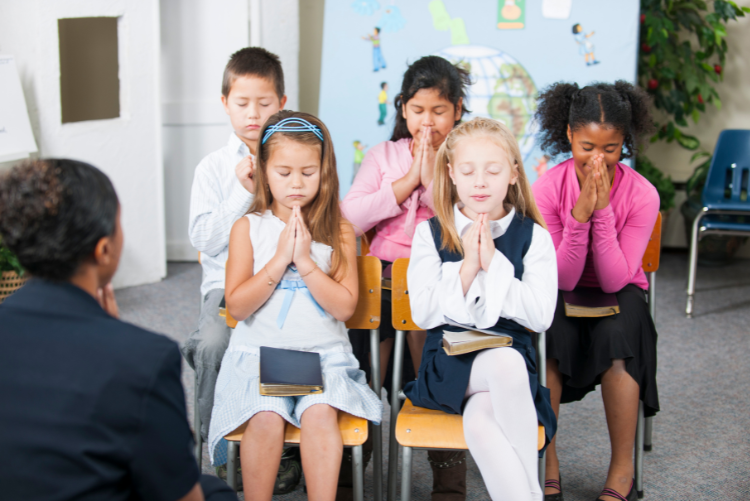
The Bible Club / Devotional / Faith & Values Mentorship course introduces Reception learners to foundational Christian values through Bible stories, songs, prayers, and guided discussions. Children learn about love, kindness, honesty, gratitude, and respect in a nurturing and age-appropriate way. The course supports moral development, emotional growth, and positive behaviour while helping children feel
The Computer Literacy and Online Safety course introduces Reception learners to basic digital devices and simple technology concepts in a safe and supervised environment. Children learn to recognize common digital tools, use basic controls, and understand simple rules for staying safe online. The course builds early confidence with technology while promoting responsible and safe digital
The Science course in Year 4 develops pupils’ scientific knowledge and inquiry skills through observation, experimentation, and investigation. Learners explore living things, materials, and physical processes while learning to plan simple investigations, collect and interpret data, and communicate findings using appropriate scientific language. The course encourages curiosity, critical thinking, and responsible scientific exploration.Key Focus AreasLiving
The Handwriting and Penmanship course in Year 3 develops pupils’ ability to write fluently, neatly, and consistently. Building on earlier handwriting skills, pupils refine letter formation, joining, spacing, and alignment while increasing writing speed without sacrificing legibility. The course encourages pride in written work and supports clear communication across all areas of learning.Key Focus AreasConsistent
The English Language course in Year 1 supports pupils in developing early reading, writing, speaking, and listening skills. Building on phonics learning, children begin to read simple texts with understanding and write clear sentences using correct letter formation and basic punctuation. The course encourages confident communication, vocabulary development, and enjoyment of language through stories, discussion,
The Web Development Basics course in Year 3 introduces pupils to the fundamentals of creating and organising websites. Building on prior digital learning, pupils explore web page design, layout, and content creation using child-friendly tools. The course encourages creativity, logical organisation, and digital responsibility while fostering an understanding of how websites communicate information safely and
The Computer Literacy and Online Safety course in Year 3 develops pupils’ confidence in using computers and digital tools for learning, creativity, and communication. Learners explore basic software applications, improve typing and file management skills, and deepen their understanding of responsible and safe online behaviour. The course encourages independence, problem-solving, and digital citizenship in a
The Mathematics course in Year 3 builds on prior knowledge to develop pupils’ fluency, reasoning, and problem-solving skills. Learners explore numbers, operations, fractions, measurement, and geometry in practical and engaging contexts. The course encourages logical thinking, perseverance, and the application of mathematical skills across real-life situations and other subjects.Key Focus AreasPlace value up to 1,000Addition,
The English Language and Literacy course in Year 3 develops pupils’ ability to communicate effectively through reading, writing, speaking, and listening. Pupils read a wider range of texts with improved fluency and comprehension, write structured paragraphs for different purposes, and use grammar and vocabulary more accurately. The course encourages critical thinking, creativity, and confidence in
The Faith and Values Mentorship course in Year 2 supports pupils in developing strong moral character, spiritual awareness, and responsible behaviour. Through faith-based stories, guided discussions, reflection, and real-life examples, pupils deepen their understanding of core values and learn how these values guide their choices, relationships, and actions at school and beyond.Key Focus AreasExploring faith-based
The Handwriting and Penmanship Improvement course in Year 2 focuses on developing fluent, neat, and legible handwriting. Building on Year 1 skills, pupils improve letter formation, spacing, alignment, and writing speed while maintaining accuracy. The course encourages pride in written work and supports clear communication across all areas of learning.Key Focus AreasConsistent formation of upper-
The Web Development Basics course in Year 2 introduces pupils to how websites are planned, structured, and created. Building on earlier digital learning, pupils explore the purpose of websites, basic page layout, and how text and images are used to communicate information. Using child-friendly, visual tools, learners create simple web pages while practising safe and
The Introduction to Coding course in Year 2 builds on early coding experiences to introduce pupils to basic programming concepts using Scratch and other age-appropriate tools. Learners create simple programs, animations, and interactive stories while developing logical thinking, sequencing, and problem-solving skills. The course encourages creativity, collaboration, and confidence in using technology responsibly.Key Focus AreasUnderstanding
The Computer Literacy and Online Safety course in Year 2 develops pupils’ confidence in using digital devices and basic computer applications responsibly. Building on earlier skills, learners use technology for learning and creativity while developing a deeper understanding of online safety, digital behaviour, and personal responsibility. The course encourages safe, respectful, and effective use of
The Science course in Year 2 builds on pupils’ curiosity and observation skills developed in earlier years. Learners explore living things, materials, and everyday scientific phenomena through guided investigations, experiments, and discussions. The course encourages pupils to ask questions, make simple predictions, record observations, and explain their findings using appropriate scientific language.Key Focus AreasLife processes
The Mathematics course in Year 2 strengthens pupils’ understanding of number, calculations, shape, and measurement. Building on Year 1 foundations, pupils develop fluency in addition and subtraction, are introduced to multiplication and division, and begin to apply mathematical reasoning to solve everyday problems. The course encourages confidence, accuracy, and logical thinking through hands-on and real-life
The English Language course in Year 2 develops pupils’ ability to read, write, speak, and listen with increasing confidence and accuracy. Building on phonics and early literacy skills, pupils learn to read fluently, understand a wider range of texts, and write clear, well-structured sentences and short passages. The course strengthens grammar, vocabulary, and communication skills
[9:31 am, 07/01/2026] Joshua🥷🏽: Reinforcing online safety while using web tools[9:58 am, 07/01/2026] Joshua🥷🏽: The Faith and Values Mentorship course in Year 1 helps pupils develop moral understanding, positive character, and spiritual awareness through age-appropriate faith-based teachings. Using stories, discussions, real-life examples, and reflective activities, children learn how values such as love, honesty, kindness, respect,
The Web Development Basics course introduces Year 1 pupils to the idea of websites and how information is shared online. Through visual tools, guided activities, and simple drag-and-drop platforms, children learn the basic parts of a webpage and how digital content is created. The course encourages creativity, logical thinking, and early digital awareness in a
The Science course in Year 1 introduces pupils to the study of the natural world, materials, and living things through observation, experimentation, and discussion. Children explore everyday phenomena, develop curiosity, and begin to ask simple scientific questions. The course encourages critical thinking, problem-solving, and a love of discovery in a safe and engaging environment.Key Focus
The Mathematics course in Year 1 develops pupils’ understanding of numbers, shapes, measurements, and basic mathematical reasoning. Building on Reception foundations, children explore addition, subtraction, and simple problem-solving, while developing confidence with numbers in everyday contexts. The course encourages curiosity, logical thinking, and practical application of mathematical skills through interactive and hands-on activities.Key Focus AreasCounting,
The Literacy course in Year 1 develops pupils’ reading, writing, speaking, and listening skills through structured lessons and creative activities. Children build on their phonics knowledge to read and write increasingly complex words and sentences. The course encourages comprehension, storytelling, vocabulary growth, and confident expression, fostering a love for language and communication.Key Focus AreasReading simple
The Phonics course in Year 1 builds on the foundational sound knowledge developed in Reception. Pupils learn to read and spell using a wider range of letter–sound relationships, including digraphs and trigraphs. Through daily structured lessons and engaging activities, children develop fluency in blending for reading and segmenting for spelling, supporting confident reading and accurate
The Mathematics course introduces young learners to numbers, shapes, patterns, and simple problem-solving through play-based and hands-on activities. Children develop early numeracy skills such as counting, sorting, measuring, and recognizing patterns using real-life contexts. The course builds confidence in mathematical thinking while encouraging curiosity, exploration, and enjoyment of learning. Key Focus AreasNumber recognition and
The English Literacy course introduces young learners to the joy of stories, poems, rhymes, and picture books. Through shared reading, storytelling, drama, and discussion, children explore characters, settings, and simple story sequences. The course nurtures imagination, listening skills, emotional understanding, and a lifelong love for books while supporting early language development.Key Focus AreasStorytime and shared
The Phonics course introduces Reception learners to the relationship between sounds and letters. Through songs, stories, games, and hands-on activities, children learn to recognize letter sounds, blend sounds to read simple words, and begin segmenting sounds for spelling. The course builds strong early reading skills while fostering enjoyment and confidence in learning to read. Key
The Introduction to Coding course introduces Year 1 learners to the basics of programming using ScratchJr. Through fun, visual, and interactive activities, pupils learn how to create simple animations and stories by giving step-by-step instructions. The course develops logical thinking, problem-solving skills, creativity, and early computational thinking in a playful and supportive environment. Key Focus
The Handwriting and Penmanship course helps Year 1 learners develop clear, neat, and confident handwriting. Pupils are taught correct pencil grip, letter formation, spacing, and alignment through guided practice and structured activities. The course strengthens fine motor skills while encouraging pride in written work and good writing habits. Key Focus AreasCorrect pencil grip and writing
The Computer Literacy and Online Safety course introduces Year 1 learners to basic computer skills and responsible use of digital devices. Pupils learn how to use computers and tablets safely, recognize common digital tools, and understand simple online safety rules. The course builds confidence in technology use while promoting good digital behavior, awareness, and safety.
The English course supports the development of early communication, reading, and writing skills. Through stories, songs, phonics, role-play, and interactive activities, children learn to express themselves clearly and confidently. The course nurtures a love for language while building strong foundations in listening, speaking, early reading, and writing.Key Focus AreasPhonics and letter recognitionListening and speaking skillsVocabulary
The Science course encourages children to explore and understand the world around them through observation, discovery, and simple experiments. Learners are introduced to basic scientific ideas about living things, materials, weather, and everyday phenomena. The course promotes curiosity, questioning, and early scientific thinking in a safe and engaging environment.Key Focus AreasLiving and non-living things.Plants, animals,
Our GCSE Preparation program equips students with the knowledge, skills, and strategies needed to excel in their final exams. We build strong foundations across English, Mathematics, Science, and Humanities, while sharpening critical thinking, time management, and exam techniques.
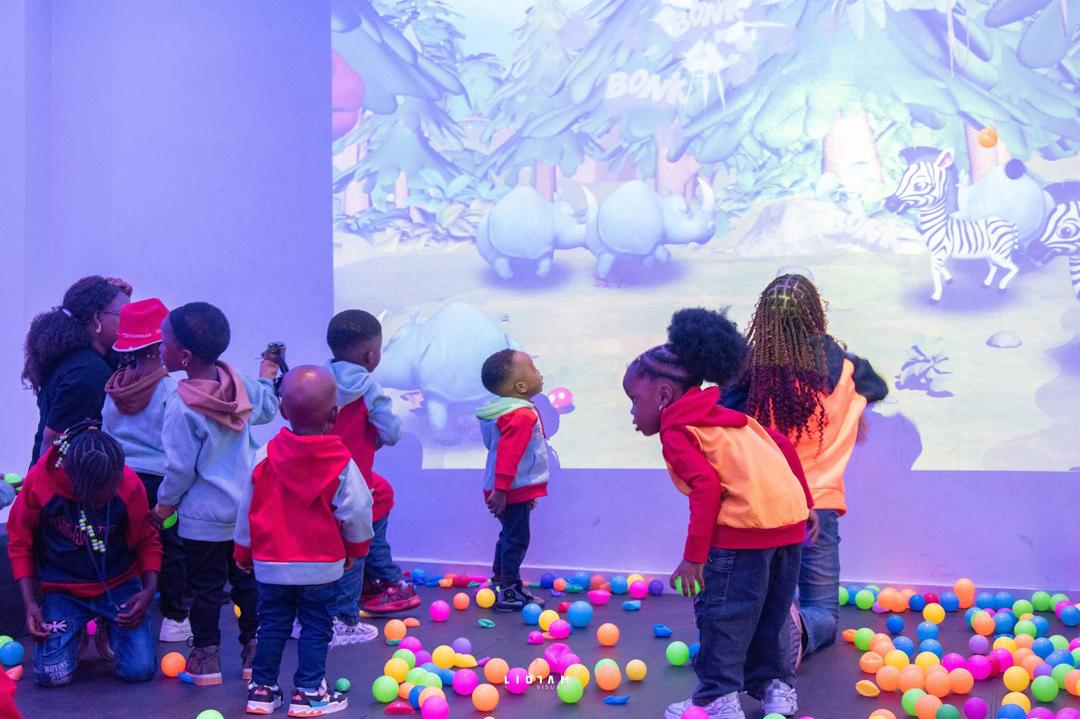
Give your child the gift of a second language! French for Kids is a fun, beginner-friendly course designed for children aged 4 to 15 years. In this program, young learners will explore French through songs, games, visuals, and real conversation, all guided by a fluent French-speaking instructor from Cameroon. This class is perfect for children
Lorem ipsum dolor sit amet, constetur adipiscing elit, sed do eiusmod tempor incididunt ut labore et dolore.
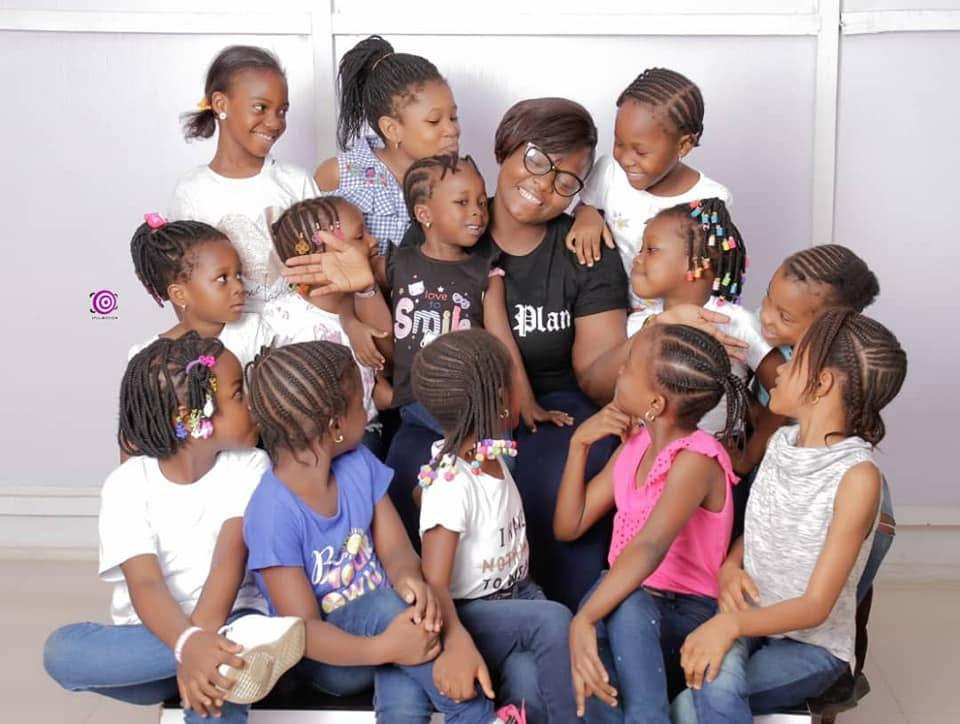
Are you seeking clarity on how best to support your child’s education and personal growth? Our Parent Consultation & Support service offers parents personalized guidance sessions based on real classroom observations, spiritual insight, and years of experience working with children. Whether your child needs motivation, a better learning path, or you’re just unsure of what’s
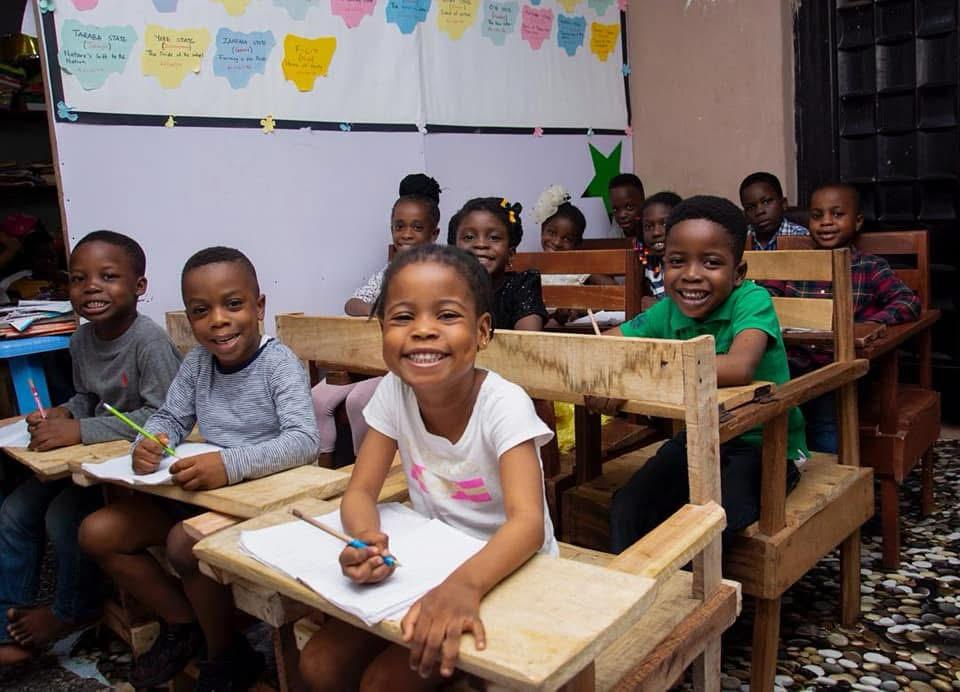
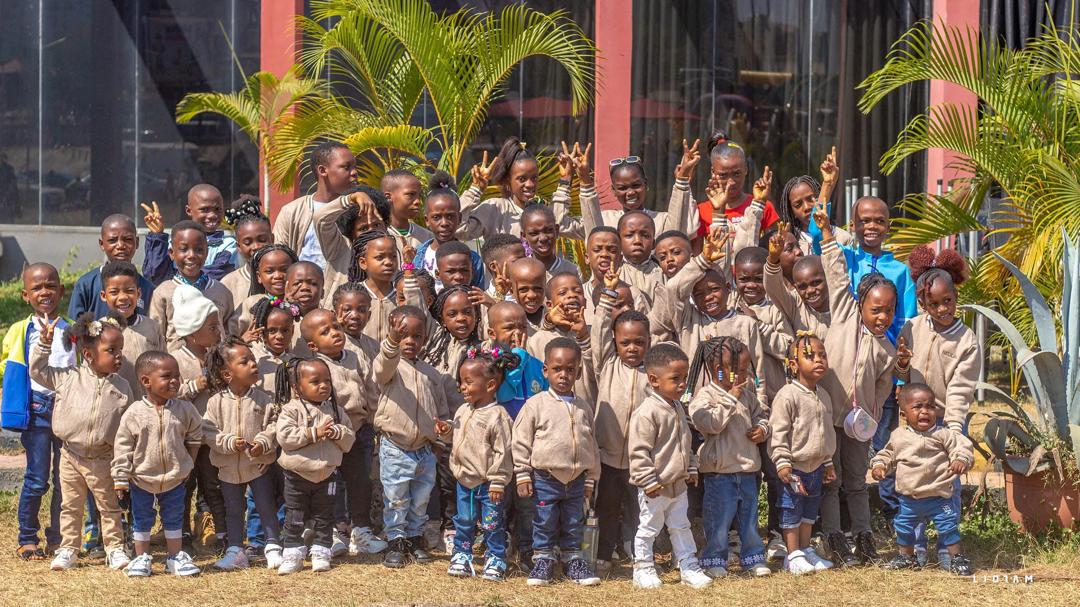
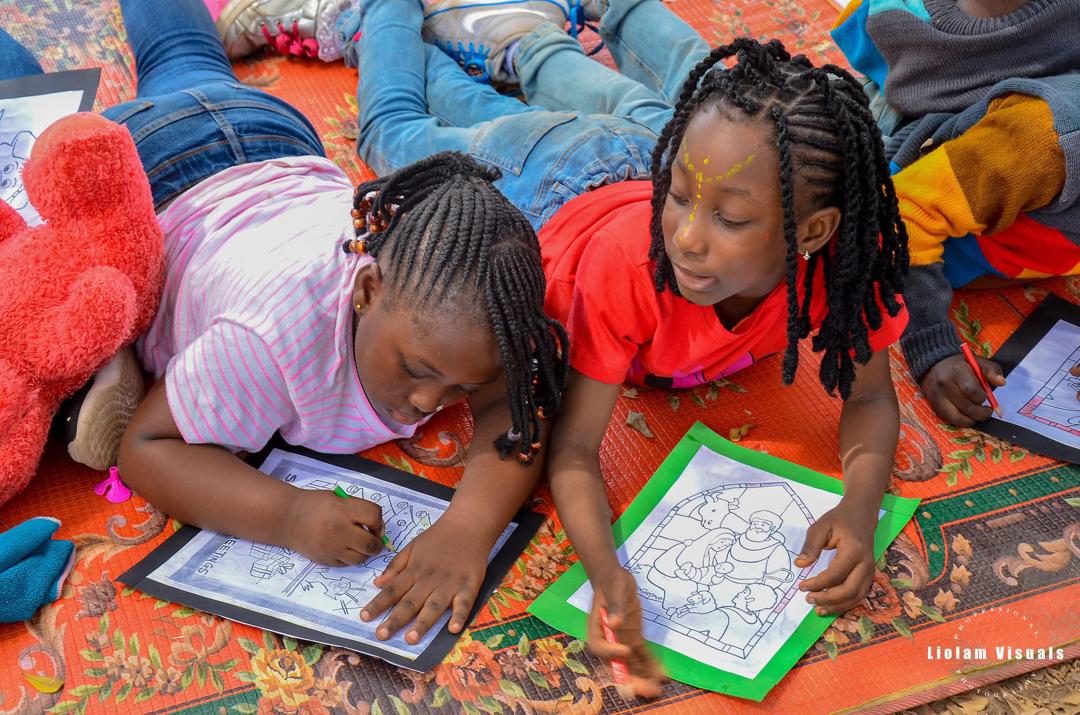
Since 2018, we’ve hosted our Yearly Kids Hangout a special time for children to enjoy friendship, games, food, and creativity outside the classroom. These gatherings usually happen in December, and sometimes during special occasions like Easter or Children’s Day. It’s more than an outing, it’s a time to build lasting memories, learn teamwork, and
Big Data Analytics including Machine Learning, Data Science, and Artificial Intelligence all are quite hot topics now!
We designed the Data Science Bootcamp course to give you the best learning experience within a short time.

Lorem ipsum dolor sit amet, constetur adipiscing elit, sed do eiusmod tempor incididunt ut labore et dolore.


Learning Node.js is always exciting and it pushes students to achieve a great career within a very short time!